Page 10 of 28

Discovering Joy with Nancy: Part 5

“Do not sorrow, for the joy of the Lord is your strength.” Nehemiah 8:10

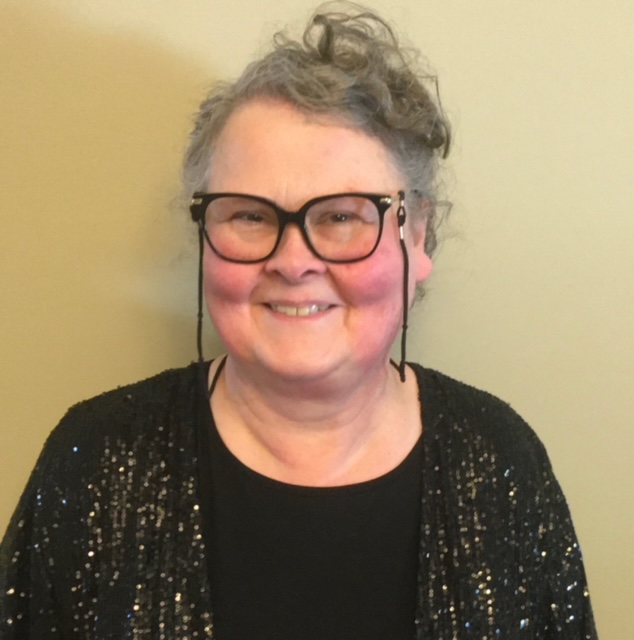
My ninety-minute conversation with Nancy Norris was as engaging as her laugh is contagious. And anyone who has ever been her student or been with her at a conference knows what I am talking about. Her laugh is a spontaneous burst of joy that instantly grabs everyone’s attention and changes the atmosphere. But behind this delightful laughter is a woman who has known pain and is determined not let it define her life. Instead, she believes any pain she has gone through has been for a purpose.

I had heard about Nancy and her husband, Dave, for years, and our paths have followed each other at different points. They planted a church in Wisconsin close to where I grew up. They later worked at Kent Bible College, where a friend of mine attended. While at Kent, they pastored outside of Philadelphia, becoming friends with my current pastor and his wife. They then ended up in St. Louis, where she is an adjunct professor for Urshan College. Here my biggest connection came when my son started dating his future wife, Rachel. Nancy had taken Rachel under her wing, mentoring her while Rachel attended Urshan.

 At Rachel’s graduation, I had the opportunity to meet the Norrises for the first time. And every good word spoken about them was confirmed in the kindness they demonstrated to my father-in-law. It was a busy day for the Norrises being integral members of the Urshan community, both at the graduate and undergraduate level. This graduation was for many students they had taught, mentored, and discipled, so they had many family members to greet. Despite their busyness, they both took time out of their schedule to meet both my husband and I, along with my father-in-law, a country preacher from West Virginia. They knew about the recent passing of my mother-in-law and gave their condolences. They spent time talking about the hills and hollows of West Virginia. They showed genuine interest in his life, and it made my father-in-law feel special. I watched how artfully they engaged in conversation with him and was humbled by their gift for hospitality, exemplifying the love of Christ in this short conversation.

But this wasn’t just an outlier incident for Nancy. A year later, I started my blog, and soon she was dropping comments and sharing my posts. When she heard that I wanted to write a book about my abuse, she encouraged me and believes my story will resonate with others. I know that I am not the only life she is impacting. If you browse her social media, you will see others thanking her for sprinkling her fairy dust of wisdom and encouragement wherever she goes.

Nancy grew up as the daughter of a pastor, but with her mother’s wise actions, her childhood saw the joys of being involved in ministry. Her mother provided a safe place where Nancy and her siblings didn’t know about the struggles pastors had when dealing with people and their problems. Instead, she only sensed something was wrong when her mother went to her bedroom, shut the door for privacy, and prayed. But more than just provide safety, Nancy’s mom chose joy in ministry. She loved leading the children’s choir and playing the piano. More importantly she loved God and this example set a precedent in Nancy’s life.

Nancy eventually went to college, met Dave, and married, embarking on a life of ministry. After Dave felt led to start a church in West Bend, Wisconsin, Nancy also started on her journey of being a mother. But even though new families were being spiritually birthed under their ministry, Nancy struggled month after month with no signs of an impending baby. After testing and more trying, eventually she found herself pregnant. And in the middle of a Wisconsin snowstorm, her son Nathaniel was born.

 But his birth didn’t go quite as expected. After waking up from a C-section, Nancy knew something was wrong with her baby. When Dave confirmed that their son had some challenges, Nancy chose the name Nathaniel, which means “gift from God,” believing he was their gift for however long they would have him. Nathaniel was born with a rare chromosomal disorder called Cri du Chat. The name is a French term given to the distinctive cat-like sounds made by babies with this disorder. It affects mobility, ability to swallow, and other areas of development. And because he was on the severe side of the disorder, Nathaniel’s life expectancy was only 2-3 years.

While being given this update, Nancy sat with a friend, another minster’s wife. And this woman demonstrated the gift of presence. No words or scriptural principles would have comforted Nancy while her baby was in the NICU. Too often, words can come off as trite and unkind. Instead, this woman sat there quietly and answered questions while Nancy recovered from the hazy aftereffects of anesthesia. And this gift is something she has regifted to others, the ministry of simple presence in difficult situations.

Despite the doctor’s dire predictions, God blessed the Norrises with Nathaniel for thirteen years. He thrived after getting a G-tube for feedings and started to grow. Her memories of Nathaniel spilled out with overflowing joy, despite his setbacks and challenges. If anything, those seemed to fade in the background as she talked about his connection with others in their growing community of Bible college and church. Nancy shared with me the special sounds that Nathaniel communicated with her, letting her know he was content, scared, and ready to get his day going. Nathaniel loved listening to a recording of The Velveteen Rabbit daily after his bath, and a certain point in the book elicited a sigh of pleasure. And in the middle of all this, God was doing miracles like providing diapers for months from her church community, finding the perfect residential facility for Nathaniel when he was twelve, and taking care of the mounting hospital bills. And through it all, Nancy chose joy!

Nancy believes the words found in Nehemiah 8:10, “for the joy of the Lord is your strength.” Although this portion of the scripture is quoted often, people forget the phrase that comes before where it says, “Do not sorrow”. Nancy admits that she has struggled and still struggles with depression from time to time. But she has learned over the years, attempts to dismiss her mental health struggles don’t help her. God can meet and love her in her depression just as much as he can when she feels bubbly. When she acknowledges those hard feelings, she can still find joy and strength to continue. Furthermore, she emphatically states, “I don’t think we should waste our pain.” She continues, “It’s there, it happened. God has helped us. Someway, somehow, we are getting through it. And what if my pain or something else I have gone through can help another person?”

Nancy doesn’t shy away from hard topics, even ones that are often kept quiet within Christian circles. Like many Christians, Nancy experienced “church hurt”. Church hurt happens often with believers where someone might feel misunderstood, judged, or diminished by another Christian. This can be a hard place to find joy. Nancy recognized that person was not going to change, and she felt that her own actions had been honorable. The only thing she could do was to remove herself from the situation. Meanwhile, Nancy had to treat the other person well despite the hurt. This was not based on her own abilities, but God sanctifying her so that she could act right. After recognizing there would be no resolution, she had to let go of the pain to move forward.

Laughter, joy, and tears are hallmarks of Nancy’s life. She teaches a presentation called “Laughter and Tears” where she articulates the values of both emotions in a well-balanced Christian life. She hands out red clown noses to lighten the mood, helping others to not take themselves too seriously. When at restaurants, she has seen how the laughter in her party is contagious to others around them. She looks for God’s expression of laughter in the Bible in places like Job, where his friend says “He (God) will once again fill your mouth with laughter and your lips with shouts of joy.” She recognizes that life is hard and serious, but sometimes fake mustaches and red clown noses can make hard situations lighter.

Statistics paint a grim picture for parents of children with severe or terminal health challenges. These parents may struggle with depression and addictions. Often, marriages don’t survive the death of a child. Yet, when talking to Nancy, I heard expressions of joy overflow in our conversation. She kept using words like “beautiful” and “sweet” when sharing memories of Nathaniel. Every February, on Nathaniel’s birthday she covers her Facebook feed with pictures of a young boy smiling with his beloved parents and friends. She and her husband wrote the book “Sweet Pain: Joy on the Road Less Traveled” about their life with Nathaniel, which has ministered to others. They didn’t waste their pain, instead they use it to connect, mentor, and help others.

The song “I Can Only Imagine” by MercyMe asks the question about what the songwriter will do when he sees Jesus in Heaven. I can’t help but imagine someday Nancy will get to heaven and hear a deep laugh that maybe echoes her own. She will look across the street of gold and see Nathaniel wearing a clown nose and smiling at her. And just because God is so good, he will provide a delicious, zesty key lime pie, which brings Nancy joy, at a table where she and her son can share a slice!

Discovering Joy with Barb: Part 4

“You will show me the path of life; in your presence is fullness of joy; at your right hand are pleasures forevermore.” Psalm 16:11

Israel, Italy, France, and Africa are only some of the places that Barb Huston has had the privilege to visit. A mural picture of the Amalfi coast covers a wall in her home, reminding her of the beauty of Italy. This love for God’s beauty continues into her garden, where she has cultivated an oasis adorned with different flowers brightening her little space in Carlisle. But although she feels blessed by travel and flowers, Barb finds the most joy in seeing a person who “has been so devastated by life and all the things the enemy can throw at them” allow God to heal, redeem and restore. She loves witnessing this person gain victory over their pain in a way that only God can do. This may seem like a trite answer from a Pastor’s wife, but I can tell you that Barb truly believes this, and it is evident in the way she lives her life!

How does one get to the place where they find joy in seeing the restoration of others? It starts with a right perspective of oneself in relation to God. And Barb’s right perspective was evident throughout the interview. She never elevates herself but identifies with David of the Bible when he received some news about his descendant. It was prophesied that the Messiah, who would redeem all of Israel, would eventually be born through David’s line. Bathed in humility, David asked, “Who am I that you (God) are mindful of me?” Barb echoes David’s response despite a successful career as a nurse and a blessing of almost 40 years of marriage. Barb is still in awe of the God who cares for her despite describing herself prior to her conversion to Christianity as a “liability and a terrible person.”

Her relationship with God started in a place of loneliness. After finishing nursing school, Barb had what others would deem a fulfilling single life: a career, friends, and the occasional boyfriend. Yet, whether she was with friends or not, Barb felt alone, a feeling that had been below the surface her whole life. Her parents divorced when she was young, and soon after, her father deserted her. Her mother remarried when Barb was eight, but the relationship with her stepfather was challenging due to his binge drinking and harsh discipline. In this new marriage, she would have more siblings, but always felt different. They were the “real children” while she was the stepdaughter. Years later, those feelings of abandonment and rejection collided with that underlying feeling of loneliness. Tears and attempts to remedy this feeling did not change it. She felt utterly alone.

A year later, Barb found herself attending a church service with a friend, after running out of excuses not to come. That night, Barb encountered God in a way that she had never experienced. At the altar in tears, His warmth and presence flooded through her. And then she felt God answer her deepest cries by impressing on her mind “You have never been alone.” At that moment, Barb knew God was real and He knew the hidden pain she had in her heart. From that point on, Barb’s life was changed, and she never looked back. She soon got involved in a Life Group and started to grow in her relationship with God.

Less than a year later, after a short courtship, Barb married Dave Huston, a divorced man with three daughters. Those early years were tough for all involved. With the pressures of raising stepdaughters, custody battles, and dealing with the messy aftermath of divorce, Barb soon found herself at the altar feeling ill-equipped. She cried out to God asking why he had gotten her into this mess with all the angst and fighting. But again, He spoke to her, this time with a slightly disappointed tone, “I wasn’t cursing you; I was blessing you with this situation. Anybody can love their own children.” This stopped Barb’s tears, and she opened her eyes to the possibility of what God was trying to do. It started her on a journey of not only being a stepmom but making that relationship a fruitful blessing in the lives of her family.

Even though this happened over thirty years ago, this insight into God’s plan has shifted Barb’s future responses to tough situations. While still acknowledging feelings of disappointment or grief, she asks God what He wants her to learn from this situation. And this simple question helps her cultivate joy in hard situations. Barb finds Psalm 16:11 reassuring when it says, “Thou wilt show me the path of life: in thy presence is fullness of joy; at thy right hand there are pleasures for evermore.” This fullness of joy is not just an emotion, but a state of mind that comes from her knowledge and experience with God. It’s a fruit of the spirit, rather than a gift, so it requires some effort on her part to cultivate it. Joy comes by experiencing who God is and knowing what eternity holds for her. Finally, its complete joy, knowing that all the hard things she has faced in the past have brought her into relationship with God and will be faded memories in eternity.

I have observed Barb’s sweet relationship with her husband. After 37 years of marriage, they still greet each other with a hug and kiss when she comes into the church every Sunday morning. It’s not a cursory greeting, but both significantly light up when they are in each other’s presence. This joy in marriage didn’t happen overnight. Along with the challenges of a blended family, Barb also dealt with abandonment and other issues stemming from her childhood. She reacted to conflict by wanting to fight, but Dave responded with prayer, consistently extending grace to her. God used Dave to minister to her and help her grow in faith and security. And the joy she experiences by the transformation of others to healing and wholeness has happened in her own life. This doesn’t make Dave the perfect “Prince Charming” or her the perfect wife. Instead, Barb has chosen not to dwell on things she wishes were different but instead build upon the love and respect they have for each other.

Additionally, Barb says she is inspired to be joyful by Dave’s consistently Christ-like character, both in public and in their home. Barb recognizes he doesn’t have a bubbly personality but is steady and finds “his peace and center in God.” In difficult situations he is undaunted and allows God to take him to the better spot. And in turn, Barb inspires those around her to be joyful with her conscious decision to present herself with a smile and peace. Both at work and in church, she chooses not to get ruffled in challenging situations but instead brings her concerns to God. Some may think of her as having a perfect life, but she knows that while her life is not perfect, her God is!

Humility, transformation, and gratefulness are the hallmarks of joy for Barb’s life. It is evident in her marriage, ministry, and career. And it is evident in things that didn’t happen in her own life. Two years after her marriage to Dave, her stepdaughters lost their mom due to a rare cancer. Barb never had children of her own and recognized that she was not their replacement mother. But instead, followed God’s chosen path in her life to be a blessing to her family. One of her stepdaughters believes that both she and Barb have risen above the stereotypical stepmother/stepdaughter relationship. They love one another as Godly Christian women, creating the very relationship that God intended them to have.

Barb authentically points everything back to her encounter with a Jesus who cared about her. She never presents self as having arrived at a certain spiritual status but is instead candid about her own shortcomings. When she leads prayer or speaks a word of encouragement to others, it is always wisdom sprinkled with vulnerability and humor. She points to the success of her career in nursing as God giving her favor. She truly sees the calling her husband had to Carlisle as a place where they could serve others, and she does so in countless ways.

Discovering Joy with Michele: Part 3

“My brethren, count it all joy when you fall into various trials, knowing that the testing of your faith produces patience.” James 1:2-3

She sat on her bed, tears streaming down her face, reliving the evening’s events. It had been the monthly school program, where all her friends stood up before the whole church reciting different Biblical passages they had memorized and sang a song or two. Among the adults, Michele and her brother were the only two children sitting on the wooden pews watching the presentation. Michele clapped her hands at the end of the program, happy for her friends. But inside, her heart was broken, waiting for privacy to let her tears fall. But even then, she didn’t cry bitter tears full of resentment towards her friends or her mother, who just didn’t have the finances to afford the tuition. Instead, she brought her disappointed tears to the only one she knew who could help: Jesus. A year later, she did end up attending the Christian school, but this simple habit of bringing all her disappointments to the Lord was the greatest prize.

I have seen some beautiful bodies of water, from the rhythmic waves of the Atlantic Ocean to bubbly mountain streams in spring. But one of the most beautiful bodies of water I have seen is a small man-made lake in the Appalachian Mountains near my home. In the fall, this placid lake reflects the scarlet and golden hues of maples and oaks, enhancing an already beautiful scene. It’s a place where you can sit and soak in the goodness of God.

Like the lake, my friend Michele Cassaday reflects the beauty of joy. She would not describe herself as bubbly or effervescent. Instead, she embodies contentment with quietness and assuredness, that reflects God working in her. I count my thirty-five-year friendship with Michele as one of my greatest blessings. Although she wears a little less pink, she is still the same steady friend she was many years ago. This month she is celebrating sixteen years of marriage to her husband, Ken. Her only child, Shantel, has returned to college. And her life continues in the same steady way it has for years, working with autistic children as her career, and ministering in many different capacities in her church.

Michele developed her relationship with Jesus as a young child, paying close attention to the adults around her, particularly her Sunday School teachers. Scriptural principles like “when you have disappointments, bring them to Jesus” and “do all things as unto the Lord” were imprinted on her young mind. And they served her well when even bigger disappointments came later.

This relationship as a small child inspired her to be a Sunday School teacher for over thirty years. She passionately believes Sunday School is foundational for children’s start with God. She spends time putting together lessons, creating crafts, and preparing snacks that point children to God. She prays that the little mantras she teaches about God’s word being true will resonate in their lives twenty years down the road. Rebecca Ingram, whose three children Michele has taught, recently posted on social media “You pour 100% into each child every Sunday and go above and beyond your preparation and prayer for them each weekday. Your servant’s heart says yes over and over again.”

Michele was an ordinary teenager, with sleepovers, hanging out with friends, and lots of laughter. But she was never trendy or into pop culture. Instead, her greatest dream of being married and having a family manifested itself in her monthly subscription to Good Housekeeping and listening to Dr. Dobson’s advice. After getting married, Michele struggled with infertility for about three years. Every month was a reminder of dreams not realized, and soon doctor visits revealed hurdles to overcome to fulfill her dream. Meanwhile, each new announcement of a friend’s pregnancy was a painful reminder of the emptiness in her life. Again, Michele continued the habit she learned as a child, bringing her painful feelings before the Lord. She cried out to God that she didn’t want to be jealous or bitter, and prayed that she could be supportive. This habit on her knees with tears and authentic feelings enabled Michele to celebrate with her friends and participate in planning multiple baby showers, including my own.

Michele would never describe her habit as something she conjured up within herself, instead she acknowledges the sentiments of Paul found in Romans 14:17, “for the kingdom of God is not eating and drinking, but righteousness and peace and joy in the Holy Spirit.” This inward quality of joy comes from God and can only be attained by His Spirit. For Michele, joy is not a feeling based on circumstances. Joy “is the assurance that God is always with you, that God is never going to leave you, and you are not without hope.”

This leads to the verse that orientates Michele towards joy, found in her favorite book of the Bible, James. It says, “My brethren, count it all joy when you fall into various trials, knowing that the testing of your faith produces patience.” The scripture continues that this patience will work in you a complete and perfect work. Throughout scripture, Michele sees joy contrasted with suffering. And this relationship with the two has helped her pursue contentment in the most difficult situations, including her parents’ divorce, her infertility struggles, and her own divorce.

Each of those circumstances could have brought her to despair, but Michele’s faith in God and his Word continues to sustain her through the hard times. The habit of bringing her hard feelings to Jesus, including asking God to help her forgive, has reflected itself in Michele’s spirit of contentment.  She describes this habit as “consistent effort” and a learning process. She also recognizes the importance of expectations and thankfulness. With people in her life who have disappointed her, she has lowered expectations and chosen thankfulness over being crushed. She believes being joyful is not an island all by itself, it’s birthed through practicing forgiveness, thankfulness and choosing contentment.

I hesitated asking Michele about participating in this interview, aware of the current difficulties she and her family are facing. For the past few months, her husband Ken has been in severe pain, losing a significant amount of weight. Unfortunately, the doctors have been unable to pinpoint the source of pain and are still doing testing. Yet, when I spent time with her in June, I saw Michele choosing joy despite the hard situation they are facing. And two months later, she still is choosing joy. It is not that she hasn’t cried out to God and would love some answers. But all the past situations she has gone through have laid a foundation of faith where she can rest in God.

I’ve walked along with Michele in most of her hard moments as an adult. I’ve seen her actively choose to forgive when her feelings didn’t match her prayers. I have seen her choose to trust God, when the outcomes weren’t what she dreamed. I have seen her work through past brokenness so she could start a new marriage with Ken. And this consistent habit of bringing hard feelings to God has inspired me to choose contentment, but it’s also her witness to others. Her coworkers and church family see her as one who really cares about what she does, it’s not just a job or teaching a Sunday School class or cleaning the church. They don’t see her complain about minor irritants. Instead, she wholeheartedly completes her tasks because it’s not about her but about pleasing God.

And she neither wants to be put on a pedestal nor puts others on a pedestal. This keeps her in a place of humility. She sees traits in others she strives to have in her life, and honestly recognizes where she comes up short. When I complimented her on being one of the most animated Sunday School teachers I have ever seen, she pursued humility by choosing to put others above her.

Joy is a good gift from God that also has an outward expression. For Michele, it may be found in savoring an incredible piece of chocolate, although I was surprised it wasn’t birthday cake for breakfast. But joy as an experience manifested itself in the miracle of childbirth for Michele. After experiencing years of infertility, Michele was finally at the hospital giving birth to her miracle baby, Shantel. Despite having phobias related to hospitals and blood, Michele enjoyed every minute of her experience, marveling at the goodness of God in her little rosebud baby girl. For just a moment, she felt like the superwoman we all believe she is.

Discovering Joy with Cheryl: Part 2

“A joyful heart is good medicine, but a crushed spirit dries up the bones.” Proverbs 17:22

A fork in a casket was a surprising ending to my insightful conversation with my friend Cheryl Budworth, a Texas native transplanted to Wisconsin. When asked about what object or experience exemplifies joy for her, I expected to hear about one of her many travel adventures or finding wildflowers on a drive. Instead, she shared a story she heard years ago about a young girl diagnosed with terminal cancer. The girl sat with her pastor, sharing with him her last wishes when she added that she wanted to be buried with a fork in her right hand. Perplexed, he asked, “Why?” The girl shared some wisdom that her grandmother had instilled in her. As a child, her grandmother remembered family meals surrounded by loved ones. After the main dish, she was told to keep her fork, signifying something better was to come. She could hardly wait to see what was coming next: a velvety piece of chocolate cake or flaky fruity pie? One thing she knew for certain, this fork indicated something amazing was coming. Like the young girl, this story has centered Cheryl’s life, reminding her of the amazing things just around the corner while maintaining the relationships she holds dear.

If you met Cheryl in person, her smile and her southern drawl would draw you in as she greeted you with a hug. After a few minutes you would be laughing at a story she shared. Giving God all the glory, she may share some things about her life. Cheryl is the Executive Director of a hospital and professional billing team for a large organization where she leads over 600 people. Additionally, she heads the women’s ministry in her growing church, coordinating ladies’ events with excellence. She beams with joy about being the wife of her husband, Mike, and spending time together with their four children, and two beautiful grandbabies, with one more on the way. Along with her family, Cheryl would add she truly has many beautiful “sisterhood relationships” that enrich her life.

At first glance, you would see this beautiful, successful woman and think her life was perfect. She would say that, currently, she finds joy in every area of her life. But this wasn’t always the case. Cheryl had to discover joy beyond the “shadow of pain” that engulfed her life for years. She is a survivor of multiple forms of abuse, has had broken relationships, been a single parent, and has experienced financial hardship. It would be easy to gloss over this list and forget each item is a story with bruises, shattered dreams, depression, and a tight budget. Cheryl doesn’t often openly share the details but uses her experiences to encourage other women on a personal level to “discover the joy she was able to find.”

Her belief about joy is embodied by a Rick Warren quote that Cheryl keeps as a reminder. According to Warren, “Joy is the settled assurance that God is in control of all the details in my life, the quiet confidence that ultimately everything is going to be alright, and the determined choice to praise God in every situation.” This “quiet confidence” has allowed her to trust God in hard places, including at the devastating end of a seven-year dating relationship. One day, lying on the edge of her bed, Cheryl was at her lowest, feeling she had nothing left to offer. But God used the one person He knew who could raise Cheryl out of her dark place, her seven-year-old son. Justin stood by the bed, talking to his mom. As she gazed into those little brown eyes, Cheryl felt her depression lift. Along with daily phone calls with her mom, Cheryl started to move forward, and trust that God had a future for her.

This brings Cheryl to another principle that has helped her get beyond the shadow of pain when joy was not easily accessible. Instead of looking far ahead, Cheryl chooses to do the next right thing. Sometimes it might be calling a friend and being vulnerable about where she is at, or maybe it’s making a meal for someone else, or taking a nature walk. These simple steps, without the pressure of figuring everything out, help her “taste and see that the Lord is good.” Disney reminds Cheryl of this principle with the song “The Next Right Thing” from Frozen 2, which she keeps on her playlist.

Finally, Cheryl reminds herself of the wisdom principle found in Proverbs 17:22. It says, “A joyful heart is good medicine, but a broken spirit dries up the bones.” She knows that cultivating joy brings healing to her life. The converse is unthinkable: if she stays in a broken place, she will wither and die.

The next right thing and healing are not just for Cheryl’s benefit. Joy flows through Cheryl to others through her gift of hospitality. It is evident not just by the number of visitors she has to her home, but by the large group of friends she invites into her life, both personally and professionally. If she is hosting a work meeting, she doesn’t hesitate to bring a quiche to make her co-workers feel cared for. She greets guests in her church so that they feel connected. She uses stories and laughter to relate to others and bring levity to difficult situations. And she develops friendships, even with those who are the most introverted, by sharing jokes and memes through texts until they can laugh in person over the same material.

What struck me throughout our conversation is that Cheryl’s joyful confidence was borne out of insecurity and brokenness. She did not come to the table with a pedigree of leadership or awareness of her giftings. She just served and found fulfillment in this act. And although she was surrounded by the gift of amazing mentors in the different Godly women who befriended her, she didn’t try to copy or compete with them. Instead, she asked God to help her to develop these areas in a way only she could authentically be. Today, she stands on the shoulders of great women because she decided to be a blessing to them and to learn from them.

Patsy Davis, one of her greatest mentors, was a pastor’s wife who loved hospitality. She welcomed many into her home with a seat at the table, a blanket to keep warm, and food to feed the soul. This same woman later took Cheryl into her life, where they painted walls in the new church building and rode bikes in the dark. Besides hospitality, Patsy’s joyful outlook taught Cheryl not to take life so seriously. This principle echoes the lesson Cheryl finds in Proverbs 17 about a joyful heart being good medicine.

The hard moments could have left her bitter and frustrated. For Cheryl, joy is not a happily ever after but a choice to trust God. It’s a choice to focus on the good things. And it’s a choice to “delight” in the goodness of God. A few years ago, Cheryl decided to keep a journal of things that bring her delight. This list includes moments like sitting down in a Dallas airport with her “Whataburger” and her husband with his “Chick-fil-a”, simple fast food that brings pleasure to both. It’s her son hugging her tight after coming home from deployment, understanding that her arms are home to him. It’s getting an unexpected phone call from her grandniece just because she wants to tell “Aunt Cheryl” something. And it’s hearing humpback whales sing through sonar on a trip to Hawaii reminding her of God’s majesty.

My interview with Cheryl flowed as easily as her joy because being joyful is a way of life for her. It’s not based on her personality or even her current outcomes but on knowing at every difficult moment, joy was to be found. It’s choosing the next right thing, even choosing to bless others when things are hard. And it’s finding things to laugh about along the way. Cheryl moved to my hometown a few years after I moved to Pennsylvania. And even though we have never lived in the same place at the same time, Cheryl makes me feel welcome in the place I used to call home!

Discovering Joy: Part 1

“And these things write we unto you, that your joy may be full.” 1 John 1:4

It was late afternoon, and the twin boys were done! They played blocks, rolled balls, and read books. While shaking wooden maracas to music, they explored the nursery through crawling and attempting to walk. They had already had their first nap, ate lunch, and were hydrated. Nothing in the room or in their toy bag was satisfying their curiosity or capturing their attention. One wore a slightly grumpy expression as if to say, “Come on, is this all you have?”, while the other’s constant smile started to sag. They wanted mom, who still had a few things left to do in the office, and I was the less appealing substitute. So, I broke out what all preschool and Sunday School teachers know to be the antidote to toddler crabbiness: the miracle bubble wand. Immediately, as the first iridescent spheres floated across the room into view, grumpiness left, and smiles widened. Soon, the boys were squealing with delight, hands reaching out to capture a bubble or two. These magic bubbles enchanted them for the next fifteen minutes, until mom could finish her tasks.

Ingrid Fetell Lee wrote Joyful, a delightful book exploring the concept of how “ordinary things create extraordinary happiness”. She interviewed people and found universally that different objects or ideas brought joy to different people, things like glitter, bright colors, nature, patterns, and of course, bubbles. She then explored how various artists, designers, and architects incorporated these ideas into their work, making space for more joy in our daily lives. One of my favorite ideas that she highlighted was the Brooklyn artist Magda Sayeg who knitted sleeves for parking meters, adding a bit of surprise on the busy gray concrete New York sidewalks.

Throughout the course of writing this blog, I have shared with readers a window into what brings me joy, including my love of citrus, fresh produce, and plants. But for me, joy is more than the yellow gnome that sits on my floating shelf. It’s more than the egg chair on my patio that encompasses me on balmy summer evenings. It’s even more than the sweet laughter from my beautiful grandchildren.

It is not something I experienced as a child. While I did have fleeting moments of happiness, they were swallowed by the secrets I harbored concerning my sexual trauma. It felt as if someone else was holding a remote on my childhood where Campfire girls, cupcakes, and Cabbage Patch dolls are fast forwarded while hearing steps in the stairwell as I sob silently in my bedroom are in slow motion. I remember some holidays where we put on the pretense of a normal family, unwrapping presents under a tree. These moments were quickly superseded with drunken outbursts and more secrets. Yes, I had happy moments but never joy.

My first experience of joy came at the altar where I invited Jesus into my life. I initially felt peace, but joy soon followed. I no longer felt hopeless, but instead, felt secure in knowing that God was good and good to me. As I grew in my relationship with Jesus, I realized that this sovereign, majestic God not only cared for and loved me, but had plans for me. Along with God’s word, I delighted in observing His reflection in the world around me. Soon, joy started bubbling up within me. It wasn’t based on my circumstances, where I lived, or what I had. It was solely based on my relationship with Jesus. And as I grew in God, I realized I didn’t have to earn points to keep this joy. It was always available when I rested in His arms.

Like Ingrid Fetell Lee, I want to explore joy over the next few weeks. As delightful as confetti and treehouses are, I want to explore this concept of joy in four women my age and older who exemplify joy to me. Some of these women might be described as bubbly in nature, while others have a more serene state of joy. One I have known for over thirty years, while the others, my relationship with them is more recent. But what they all have in common is that when I spend time with or think about these women, I am inspired to be more joyful in all areas of my life. In their own individual ways, they each reflect the image of God in how they express joy. So, my hope is to interview these women, highlighting some of their wisdom and how they reflect joy in their lives. I want to learn the secret sauce to what makes each of them joyful. My last post will be highlighting three younger women who bring me joy. These dynamic young women choose joy by pursuing creative endeavors. When I am around them, I look at the world with fresh eyes, and see all the possibilities of a life in God!

I hope you join me in this series of “Joy” posts. My prayer is that despite whatever “hard” you may be going through, you will see joy is possible. I hope that you don’t chase happiness, but instead chase joy that is fulfilling and long-lasting. Finally, I hope you are as inspired as I am by these amazing women who choose joy!

“We are Empty Nesters”

“For everything there is a season, and a time for every matter under heaven.” Ecclesiastes 3:1

I was excited to be a mother. I had read the “What to Expect” books concerning both pregnancy and the first year. I researched baby items, carefully selecting the right furniture for our nursery. My brother-in-law painted our room a sunny yellow, with a blue ceiling. My Aunt Brenda followed up by faux painting the ceiling with streaks of purple, yellow and pink, making the nursery look like a Venetian sky. I had clothes washed and ready for the baby’s impending arrival. I felt prepared. I put my hand on my stomach often, talking to the baby in soft tones, telling him how excited I was for his arrival.

But then, I was past my due date, uncomfortable and unable to sleep. By the time my son was born, and they laid him on my chest, I didn’t have the instant warm feeling of maternal bonding flooding my heart. I was exhausted and in a bit of shock from the whole ordeal of childbirth. That maternal instinct kicked in the next morning, when I held my son in my arms, marveling at his features and God’s goodness. Fourteen months later, my daughter was born in a whirlwind of activity. Again, the maternal hormones didn’t kick in immediately. They flooded my heart later that night when I was alone with my blue-eyed daughter, again aware of God’s goodness.

I kept those thoughts to myself for years, feeling ashamed of my perceived lack.  I thought there was something wrong with me. But then I began to hear of other women struggling with the same feelings. A woman’s body is dealing with major hormonal fluctuations before, during, and after birth. It’s quite common for women to not feel initially present or bonded with their baby. And for some, this lack of bonding takes on the form of something more serious, postpartum depression, which may need the help of professionals. So, I shared my story with others to help remove some of the stigma.

Twenty-four years later, “We are empty nesters!” became my mantra accompanied by a little jig for the first six months after Maggie got married. It wasn’t that I didn’t miss my daughter, I did.  But for the first time in 24 years, Terry and I were living alone, responsible only for ourselves. This change coincided with the time I was no longer doing childcare in my home on a regular basis. It was a new way of living, and I was looking forward to the adventure!

Recently, I read a comment string about the most important things you would want to tell someone about entering the empty nest stage. As I read the comments, I was surprised to see how sad and depressed a lot of women felt. Once again, I started to feel like I lacked some maternal instincts, not having the same experience that they did. But I stopped that train of thought immediately! I can love my adult children well, miss them, and still enjoy the empty nest stage. And I am sure I am not the only one who feels this way. What could I add to this conversation about my first year of experience as an empty nester?

  • It’s hard to cook for two people. For twenty years, I have been cooking for at least four people. Now, I only need to make two chicken thighs, not six. I need two servings of pasta, not the whole box. And as much as I love soup, I don’t want it for five days in a row. Additionally, I find myself wanting to cook more ethnic dishes. Trying to balance this with Terry’s favorite dishes is hard. But I am up for the challenge and am finding new ways to meet our dietary needs.
  • I leave the cupboard doors open and my shoes are all over the house. For years, I assumed that if the cupboard doors were open, that one of the children carelessly left it open. Also, my shoes were amongst the pile of theirs, so it didn’t seem as much of a problem. But now that they are gone, I clearly see the messes I make and the ones my husband doesn’t make. Every so often, I work on closing cupboard doors, but all too often, I get distracted with a new activity, and the door stays open. And as far as my shoes are concerned, I put them away when I expect company. And I am okay with this.
  • We sit in the living room to eat dinner most nights. I felt guilty about this for a long time. It’s not like we are watching television while eating dinner, usually we are engaged in a lively conversation. But my beautiful table is so big that when we sit at it, it feels empty. And honestly, some nights we are tired, and want to sit somewhere more comfortably. I love my table when my whole family is gathered around it. But on ordinary nights, I like the intimacy of our living room when we eat dinner.
  •  As an extrovert, I surprisingly enjoy the quietness of my home. My life is busy, with me leaving the house at least two days a week for outside obligations. But the times I am home alone, I really enjoy my time with God and myself. I spend time reading, listening to podcasts, and writing. I am finding myself engaged in more creative pursuits and exploring new worlds. It is also giving me space to address hard things in my life and move towards more wholeness.
  • I am discovering new reasons why I love my husband. The last five years have been filled with a lot of changes for both of us. With this growth, we are finding new ways to connect with one another. Terry is not only my husband and the father of our children, but also my best friend. He works hard to keep up with my rabbit trail conversation style and pays attention to the new culinary artist I have discovered. He gets me, quirks, and all. And he’s forever patiently closing my cupboard doors.

There have been a few hard moments during this season. I remember when Maggie’s final box was moved out, how empty her room felt. And with that last box, the chapter of our children living with us was closed. I reflected how much this room had changed in the eleven years she had lived in it. As a 12-year-old, she decorated her room with touches of Parisian chic. In her mid-teens, she read “Moby Dick” and fell in love with all things nautical, changing her room once again. Now, she was embarking on a new decorating adventure as a newlywed with her first apartment.

Like Maggie’s changing style, Terry and I have had to adapt to new changes in this season. Holidays look different because of work schedules and distance. I can choose to be stuck in the past of how we have always done things or move forward and look to the future. For me, embracing the changes seems more beneficial to my life. And unlike some of the more sarcastic comments on the string, I don’t need to change my locks.

Three Inch Hems

“And we know that those who love God all things work together for good, for those who are called according to his purpose.” Romans 8:28

My great-grandmother, Emma Holtzman, was a stern woman, stingy with smiles and laughter. Instead, she embodied industriousness with her rapid use of a paring knife when peeling potatoes and her skillfulness in rolling out the perfect sugar cookies. Always working, she prided herself on keeping the house neat and clean. Most of her grandchildren, including my mom, found her intimidating. My mother kept her room loosely organized (aka a bit messy), not meeting the standards of Grandma Holtzman. On some occasions, Grandma Holtzman would come over to visit and “organize” my mom’s half of the room. She would gather all the items lying on the floor, including my mom’s prized Nancy Drew books, and throw them into the burn barrel. Returning from school, my mother would be distraught at the missing items, only to find out her own mom had rescued the items from incineration.

My mom has never liked coffee, preferring Coke instead. As a generous hostess, she offers everyone something to drink, but cheekily reminds her guests to leave her the last can of Coke. She keeps a coffee maker on hand for her guests and, last week, it died. On her behalf, Terry took a quick trip to Target to replace her coffee maker. Later, while making coffee, my mom shared a new story about Grandma Holtzman. As her grandmother was pinning the hem of my mother’s dress, she said, “You will always get taller, you will get use to scalding water, and you will learn to like coffee.” My mom chuckled as she told us this, because she never got taller, topping out at 5’1”. Additionally, she never got used to scalding water or developed a taste for coffee. But her grandmother thought she knew best, leaving my mom to go to school with three-inch hems, never letting them out because of a growth spurt.

Many years ago, a tragic story of a local woman impacted my life. In one car accident, this woman lost her husband and two sons, while her oldest son survived with serious injuries. I didn’t know this woman, but my heart ached for her. Along with a group of friends, I put together a care basket filled with candles, lotion, a book on grief, a journal, and some gift cards for local restaurants. We fully recognized that this basket wouldn’t make a dent in her sorrow, praying only that it would be a small reminder to her of God’s unfailing love.

With the intent of just dropping off the basket, the woman invited me into her home. What followed was a holy moment for me. She began to share with me the details of the accident, including that her children and husband were in two different hospitals with life threatening injuries. She had to make a terrible choice, the choice of being with her children or her husband, as they all were facing possible surgeries and/or death. She made the choice any mother would make and was with her sons as they took their last breath. Minutes later, she received a phone call that her husband had also passed away. She knew God was with her although recognizing she had a long grief journey ahead. She, along with her oldest son, had to build a new life. She contemplated selling their home and moving back to where their family lived for support. I feebly tried to utter words of hope and encouragement, but the words came out stilted and unwieldy. Quickly, I felt God nudge me to just listen. She continued to talk about her boys and their passions. One was a budding artist while the other created with Legos. She smiled as she talked about the whirlwind romance with her husband that led to this beautiful family. Already feeling this family’s pain, her last story shook me to my core. While she was in college, her identical twin sister had also been killed in an accident. At the time, she believed that this was the worst thing she would ever face in her life. Now, she believed God used that incident to build and strengthen her faith to survive her current tragedy.

I left an hour later than I expected, giving her a hug, and promising to pray for her. As I got into my car, all my choked-back tears gushed out. I came expecting to minister, instead, her story ministered to me. I kept my promise for many years, but then life got busy, and soon I forgot her name. I still can see her house, and the pictures of her boys, and occasionally I still call out to God, praying for her and her son. I hope that this woman has created a new life for herself, and I pray that she had found some joy again.

But her story speaks to a truth that we don’t always want to hear. Life is hard and it doesn’t mean we will have happy endings to all our stories in life. No matter whether this woman has chosen to remarry or lead a fulfilled life as a single woman, she will always feel the loss of her sister, husband, and sons. Her oldest son is probably starting his own family now, maybe even has children, but he will never forget the accident that changed his life. And although I have forgotten their names, God has not, and is still writing their story.

I want to repeat what I said in the last paragraph, life is hard. I don’t say this flippantly, but with a heavy heart. Cancer and unexpected accidents have changed the trajectory of my life, and what I expected to be a happy ending now looks very different. For example, cancer robbed my children of having their beloved grandmother attend their weddings. Her absence was felt, despite the joy of those days. Life is hard and I see this truth not only in my life but played out again and again in the lives of my friends and family.

Despite life being hard, I also believe that God works out everything for our good. This doesn’t mean the hard things don’t happen, it just means that there is peace and hope on the other side. But saying those words to a person in the middle of tragedy seems trite and uncompassionate. How do I love someone well in the middle of their hard, without coming across as dismissive and insincere? How do I convey God’s words as hope and peace for the other side?

I recently finished a Louise Penny novel where a likeable character from Three Pines was convicted of murder. It bothered me, even though the honorable Armand Gamache, the Chief Inspector, found all the evidence pointing to this character. Yes, this person was a bit greedy, and yes, he moved a dead body, but murder seemed farfetched. And if this was true, could I trust Louise Penny in the future to end the stories well without destroying my faith in the characters? Spoiler alert: I looked online and read the synopsis of the next book in the series and found out that the character was innocent. Instantly, I felt relieved. The ending of this book was unhappy, but I had faith in the future book to reconcile my angst.

I came across a quote recently that helped me reconcile the reality of life being hard with my faith that God is good. Orson Welles said, “If you want a happy ending, that depends, of course, on where you stop your story.” That woman chose not to end her story when her sister died. Instead, she built a beautiful life with her husband and three children. And once again, I saw that woman actively choose not to end her story at the funerals of her family. Instead, she was looking to the future of building a new life on the other side of tragedy. She chose not to stop at the hard points in her life but went on letting God finish her story.

I can’t guarantee my grandchildren will be tall. I doubt anyone likes scalding water. I sure do hope they like coffee because I want to take them to some of my favorite coffee shops. But if they don’t, we will find other places to have adventures. And I can’t promise them that hard things won’t happen in their life. But I can promise that if they allow God to write their story, He will help them find hope, peace, and joy!

Can Mimi Read a Story?

“Grandchildren are the crowning glory of the aged;” Proverbs 17:6a

“Daddy, can Mimi read me a story?” Joel asked his dad as he was getting him into his pajamas. Ethan replied yes, and Joel ran into the living room saying, “Mimi is going to read a big book.” As much as Joel loves for me to read to him, I am aware the length of the book was his tactic for stalling bedtime. Not being called out by Mimi, he picked a longer picture book from his library basket. We cuddled together on the couch and read about duck, cow, and sheep’s tractor ride through town while his little sister, Eva, crawled around at my feet. As I read, my heart swelled, savoring this moment with my grandchildren. And all too soon the long book was finished, just as our long weekend was wrapping up as well. And soon, once again, I would be 422 miles away from my two favorite little people.

Timothy Keller passed away on May 19, 2023. For those who don’t know this name, Keller was an influential preacher of the gospel in the evangelical world. Although he has been around for a while, my first introduction came two years ago when one of my pastors played a recording of Tim Keller explaining the gospel. His intellectual pursuit of God along with his compassionate delivery resonated with me. I began regularly listening to his Gospel in Life podcast, where recordings of his past messages are shared. He wasn’t charismatic with a delivery full of pomp and flash. Instead, his voice was calm, wise, and confident. He presented scripture from the premise that everything pointed back to the gospel. He believed “the gospel says you are simultaneously more sinful and flawed than you ever dared believe, yet more loved and accepted than you ever dared hope.” He pointed out that “the irony of the gospel is that the only way to be worthy of it is to admit that you’re completely unworthy of it.”

Keller was different than a lot of megachurch pastors that have become instant celebrities only to crash later due to either moral failures or narcissism. Instead, he quietly raised a congregation of size in the heart of New York City. In the beginning of his ministry, he didn’t start publishing books pontificating about how he planted his church. Instead, his first book was published when he was close to sixty years old, articulating his answers to others’ questions about God. His influence is not measured by the books he wrote, or the messages he preached, but more by the relationships he developed and people he mentored. After receiving his cancer diagnosis, he was asked how he wanted to be remembered. Tim Keller never cared about legacy or his reputation, it was all about pointing back to the God who had saved him. But he did answer that question in an interview with these words: “I hope my grandchildren remember me.”

This same thought has echoed through my world from a few different sources. In my final MOPS meeting of the year, we watched a video of an older mom reminding younger moms to keep their inner circle of relationships a priority. Next, I started reading Jean Stoffer’s memoir Establishing Home where she echoed the importance of prioritizing her role as a mother over her growing business. And then, on another podcast, I heard the concept “live your eulogy, not your resume.”

I’ve been wrestling with life choices we made in the past and how they impact our future. I grappled when putting together a job resume, and my experience was limited to childcare. I imagine the possibilities of having made different choices. Maybe if I had chosen a career over being a home-educator, I could be going to Italy next year. Maybe if I had chosen to start graduate school ten years ago, the possibility would seem more cost effective. These “what if’s” have left me feeling disillusioned and unsatisfied.

Tim Keller’s words, along with the persistent voices of others, reminded me of the truth in my life. Like most mothers, I prioritized the little ones in my home. For me, that looked like choosing to stay home and educate my children. It looked like welcoming countless children into my home, providing a safe and nurturing environment for them while their parents worked. And these decisions along with countless others lead to the life I live today.

And it’s a good life. It’s a life where I can write a memoir that I am hoping will impact others. It’s a life where I can use some of my gifts to minister to others in my community. And it’s spent with my two favorite little humans sitting on my lap, listening to me read stories about ducks and pigs.

Italy is still a goal and graduate school is still a possibility. But at the end of the day, my grandchildren won’t remember the magnificent artwork Mimi saw in Florence. They won’t remember that she went for her master’s degree in counseling in her fifties. They will remember the time she spent with them, reading, exploring, and sharing with them the goodness of God.

Timothy Keller left behind seven grandchildren. No doubt, some day they will Google their grandfather’s name and read all the wonderful accolades about him. They will see the list of books he wrote and see places where he is quoted. But I am confident that they will have their own special memories of times spent with their grandfather. And these memories are what will help them see the Gospel in a life well lived. My wish, is that Joel and Eva, and any future grandchildren, will see that reflected in my life as well.

Third Act

“So we do not lose heart. Though our outer self is wasting away, our inner self is being renewed day by day.” 2 Corinthians 4:16

A few weeks ago, I started The Last Thing He Told Me by Laura Dave, an intense drama about Hannah’s disappearing husband. That night, I shared with my husband how engrossed I became in the story. I attempted to finish it later that evening, but my melatonin-induced haze overtook me. So, I reluctantly closed the book. The next morning, Terry found an audio book, and within the same day had the audacity to finish the book before I did! With a smirk, he teased “the ending took me by surprise.” I begged him to give me a hint. Of course, he refused, this same scenario having played out many times in our marriage. That night, I fought the melatonin and found for myself the surprise ending.

The endings of movies, books, and TV shows can leave me feeling sad, satisfied, or surprised. Some tragic endings leave me in a puddle of tears or maybe a bit frustrated with the writer or producer. I sometimes feel satisfied with a tragic ending if the story overall was heartwarming and complete. And some endings take me by surprise, with my heart racing as fast as the words across the page. But no matter what emotions the story elicits, a good ending should wrap up the story, bringing the disparate pieces together. And then I can close the book, breathing a sigh of satisfaction.

It’s my birthday this week. Last year was celebrated with confetti, streamers, and a party. This year, we will be in Rhode Island to celebrate a plethora of birthdays along with baby Eva’s dedication. With all my immediate family, and a visit to Groundswell (my favorite Rhode Island bakery), I find this quieter celebration a perfect way to mark turning 51.

Four years ago, I started writing this blog during what might be defined as a mini mid-life crisis. I felt a little displaced, having ended my role as a home educator and launched my children into adulthood. I was no longer a young married woman but was well on my way into the second half of my marriage. I started to address some of my health concerns, and although my body felt the strongest it had in a long time, visible lines etched my face. I wrote to share with others my struggles in adapting to this new phase of life. And through words, I began to find my place.

Around the same time, I discovered the world of podcasts. Podcasts help me think, explore, and write about my world. They open me up to new ideas, new interests, and add books to my TBR list. The list of podcasts I listen to is wide and varied. Some, like Confronting Christianity and the BEMA podcast align themselves with my Christian worldview, examining faith and how it informs our world. Cherry Bombe and Ruthie’s Table are related to food and women in the food industry. I listen to some podcasts that are book related and others that explore nature.

A month ago, as I was mowing my lawn, in my peripheral vision, I noticed a hole in the ground that looked like it was moving. I abhor anything rodent-related and was convinced that a bunch of moles would run out of the hole and chase me because I had disturbed their slumber. I quickly found my husband, informing him of my fear. He went out with me, and after a closer inspection, we saw a baby bunny meander out of the hole. It ambled over to the uncut grass, munching on clover. With the sun already setting, we decided to stop mowing to prevent any baby bunny mishaps. The next day, I finished mowing only to discover a few more holes in my yard. Apparently, this bunny and his relatives have decided to create a bunny warren under my lawn.

Just like the rabbit trails in my yard, my podcasts often lead me to discover other podcasts. Last week, I started listening to Julia Louis-Dreyfus’ Wiser Than Me podcast. As a sixty-two-year-old woman, she interviews older women to tap into to their wisdom. This newest podcast has had me laughing out loud while taking notes and pondering new ways of looking at the world. Her first interview was with Jane Fonda. At age 85, Fonda is still acting in both movies and a hit TV show. Additionally, she still takes her role as an activist very seriously. In this interview, she talked about being in her third and final act, where she wants to continue to live her life to the fullest. At the same time, she wants to end well by making sure she cleans up her messes. This included apologizing to her children for not being a great mom. Despite all her accomplishments, Fonda believes that the third act might be the most important in her life.

I really hope I live to be at least 90 years old. But if I look at life expectancy for the average woman, I am technically in my second act, fast approaching my third. And, like Jane Fonda, I want to be mindful of how I finish.

At fifty-one, I am no longer in a mid-life crisis. Instead, I am more confident in who I am and who I want to be. I no longer expend energy striving to be a good Christian, checking the boxes of my to-do list for gaining approval. Instead, I spend time with Jesus through prayer, worship, and His word. This leads me to a greater understanding of His character, including His mercy and grace. I have embraced my sense of curiosity, which not only leads me to interesting podcasts, but to a more well-rounded view of life. Finally, I keep cleaning up the messes I have made as a wife, sister, daughter, mother, and friend. This looks like honesty, apologies, and ownership. And, like Fonda, I want to live my life to the fullest, embracing opportunities to connect with those I love. I am not looking for a surprise ending or one that is tragic, but instead one that is complete.

*Just a friendly note, Wiser Than Me may be a little salty for some of my readers. Personally, I am choosing not to stay in my own lane with podcasts so that I don’t’ live my life in an echo chamber. This may or may not be a podcast for you.

Peonies and Ants

“We should help others do what is right and build them up in the Lord.” Romans 15:3

Five years ago, I planted my first peony bush, a Mother’s Day gift from my children. I faithfully watered it, patiently waiting until the following spring to see it bloom. The next year, the peony came up with a few beautiful blush pink ruffled flowers, so I decided to plant another one. I chose a soft white peony with delicate yellow centers. A year later, that one also produced a few blooms, while its older sister’s pink blooms arrived a bit taller and more numerous. This spring, both have exploded with buds cloaked in lush foliage. Every time I step outside, I visit the peonies, delighted with the elegant flowers flanking the side of my home. Mary Oliver’s poem, Peonies, echoes in my brain when she says, “This morning the green fists of the peonies are getting ready to break my heart as the sun rises, as the sun strokes with his old, buttery fingers, and they open – pools of lace, white and pink—.” I cut a few buds, filling vases with peony magic throughout my home.

When I share with others the joy my peonies bring me, I get two contrasting responses. One matches my joy with long oohs and gushes about how much they too love peonies. The other has been a curt response, “You do know that peonies are covered with ants, don’t you?” The person may or may not go on with a story about ant-filled peonies in their home and how it invaded their food pantry. I leave the conversation a bit dejected, as if my balloon of joy has been pricked with a tiny needle, and the air is slowly leaking out, leaving behind only wilted peony petals.

I have heard the tale of ants and peonies from at least ten people. Even Mary Oliver continues her poetic imagery with the next line in her poem, “and all day the black ants climb over them,”. I half expected an ant invasion of my delicate peonies only to be pleasantly surprised to find only one or two strolling aimlessly across the petals. When I share that fact with the naysayers, they are astounded. Some have suggested that I must use a pesticide to prevent the ants, but my negative reply sends them away shaking their heads in disbelief.

Some of the stories about the ants have been relayed in a less negative manner, sharing with me that ants are necessary for peonies to propagate. But my peonies remain relatively “ant-less” and still manage to explode. I did some research on ants and peonies to get to the bottom of the mystery. It is a myth that ants are needed for peonies to bloom. People with rooftop gardens can successfully plant peonies that will bloom without needing to transplant an ant farm as well. But ants do have a special relationship with peonies. They are attracted to the sugary nectar, and once a scout finds a peony, he will inform other ants to join in the feast. These ants are beneficial to the peony bush, because they help ward off aphids, thrips, and other pests that will destroy the buds. Scientists refer to this relationship as biological mutualism, each benefiting from the presence of the other.

Biological mutualism happens throughout the natural world. We see oxpeckers, a bird riding on large mammals, eating parasites like ticks. This provides an easy meal for the bird and helps reduce disease in the mammals. The Disney movie “Finding Nemo” helped educate us on the relationship between clownfish and anemones. Botanists are finding that trees can communicate with one another through the presence of fungi who thrive near their roots. The key to biological mutualism is that both species benefit from the relationship.

While this may benefit the natural world, I wonder how often this idea of biological mutualism shapes the paradigm of how I interact with others. Do I look at relationships with others through the lens of what I receive? And most importantly, how does Christ want us to treat others?

These are hard questions, convoluted with a lot of different nuances. It’s important to have healthy relationships in your life, where you are both giver and receiver. These relationships fill you, allowing you to be vulnerable and transparent. They also help nourish you, providing you with a healthy foundation. For me, these relationships include my husband, family, and close friends.

But not every relationship will be that mutually beneficial. Does this lack of mutual benefit give us a pass on being in a relationship? The Message Bible answers this question by paraphrasing Paul’s words in Romans 15. It says “Those of us who are strong and able in the faith need to step in and lend a hand to those who falter, and not just do what is most convenient for us. Strength is for service, not for status. Each one of us needs to look after the good of the people around us, asking ourselves how can I help.” Different translations of the Bible affirm that we need to help others. They do not ask us to assess how much we are going to receive back from helping. They don’t ask us to do a cost benefit analysis, asking what their responsibility is and what is just enabling. The scriptures simply state that if we are strong, we are called to help those who are weak.

I have not always done this well. There are times I have been frustrated in helping others, annoyed with what seemed like ingratitude. Other times I have counted the cost and set boundaries because I felt others were taking advantage of me. And even worse, I have grumbled while helping, making my good deeds ugly in the eyes of God.

I agree, we need to set healthy boundaries in life. We can’t give from an empty well. Just this week, I recognized that my RA was affecting my body in such a way that I needed extra rest. I had to let my dear friend know that I couldn’t watch her sweet twin boys on Monday. This was a wise decision not based on convenience. But how often have I used excuses in the past to only do what is convenient?

I am called to sacrifice, and this includes both time and resources. Only I know, through prayer and honesty, when I am truly sacrificing. There are some questions I need to ask myself. Am I helping in a visible way so I can receive accolades? Am I only reaching out within my circle, or am I stepping outside of my circle to help? Am I being close-fisted or open-handed with what God has entrusted to me? Am I grumbling while helping?

The answers to these questions don’t always show me as a stellar example of Christianity. Instead, my actions often lead me to repentance. And I keep moving forward, trying to live out Romans 15 in a way that aligns me with the example of Jesus. When I think about how Jesus would answer these questions, I see a man who ministered to others even when no one else was around. He ministered continuously to the marginalized of society. He regularly gave so fully of himself that he was exhausted to the point of sleeping through a storm at sea. Finally, although in his flesh He asked for the cup to pass, He walked willingly to the cross without complaint.

Mary Oliver continues her poem by asking a question, “Do you also hurry, half dressed, and barefoot, into the garden, and softly, and exclaiming of their dearness, fill your arms with the white and pink flowers, with their honeyed heaviness, their lush trembling, their eagerness to be wild and perfect for a moment before they are nothing, forever?” My peonies may have another week or so of blooms before they fall silent for the rest of the summer. It’s a few fleeting weeks of joy for me, where I gather the blooms with delight. I also have a few fleeting moments to gather with and bless those around me with the love of Jesus. Will I run to do His not-always-convenient will, or will I shrink away from the ants on my peonies?